Taiwan cooking guide using 19 research studies
This guide provides simple methods for preparing healthy Taiwan home cooking by focusing on dietary patterns that align with local nutritional research. It is designed for home cooks looking to integrate traditional ingredients into a balanced lifestyle. To use this guide effectively, follow the structured steps for meal preparation, prioritize whole food patterns, and avoid over-reliance on processed seasonings. One limitation is that these suggestions do not account for individual medical requirements or specific allergies.
* Prioritize dietary patterns linked to longevity. * Use the Taiwanese Eating Approach (TEA) concept for meal planning. * Incorporate local seasonal vegetables and proteins. * Reduce processed food intake to improve overall health.
How can I implement healthy Taiwan home cooking?
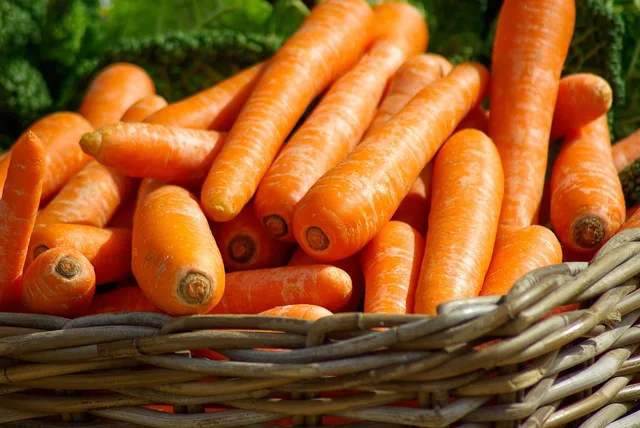
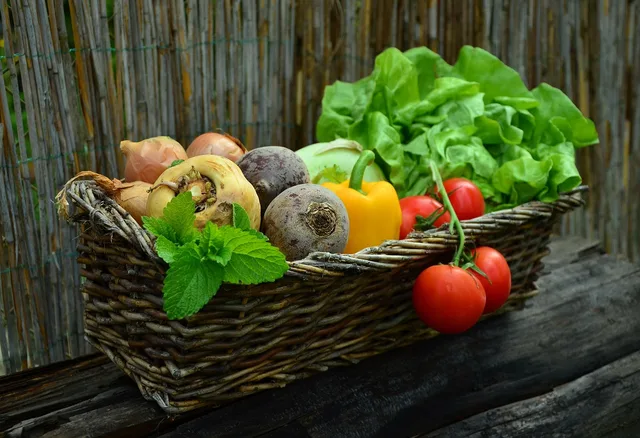
A person stands in a bright kitchen in Taipei, chopping fresh bok choy and slicing ginger on a wooden board as part of healthy Taiwan home cooking. They reach for a bowl of locally sourced tofu and a handful of dried shiitake mushrooms. This process of selecting whole, unprocessed ingredients is the foundation of any effective rep.
To adopt these habits, focus on dietary patterns that have been studied in connection with various health conditions.
By focusing on these patterns, you can transition from quick, fried snacks to more sustainable, nutrient-dense meals. I found that prepping a large batch of steamed vegetables on Sunday makes it much easier to maintain these habits during a busy work week.
- Incorporate more seasonal vegetables and fermented sides like pickled radish or cabbage.
- Use aromatic bases such as ginger, garlic, and scallions to add flavor without excessive salt.
- Balance protein sources by mixing soy products like tofu with lean meats or seafood.
What exactly is the Taiwanese eating approach?
A cook carefully weighs portions of brown rice and steamed fish, noting the colors of the vegetables on the plate. The kitchen smells of light soy sauce and sesame oil, creating a sense of calm during the evening meal. This methodical approach to eating is a key part of a Local Taiwan food guide.
Researchers have attempted to quantify healthy eating through specific metrics.
Following this concept means prioritizing the types of foods that contribute to a higher TEA score. Instead of counting every single calorie, you look at the synergy of the ingredients on your plate.
This approach emphasizes a balance of grains, vegetables, and proteins, often utilizing steaming, stir-frying, and braising techniques to preserve nutritional integrity.
Can I use these easy Taiwan recipes every day?
At dusk, I feel the warm steam rising from a bowl of soup during my Taiwan dinner.
A family sits around a circular wooden table, sharing bowls of soup and stir-fried greens. The steam rises from the bowls, filling the room with a warm, comforting aroma as they enjoy their Taiwanese healthy meals. This routine makes nutritious eating feel like a natural part of the day.
Using simple methods allows you to create Taiwanese ingredient recipes without needing professional culinary skills. You can achieve this by following these three steps:
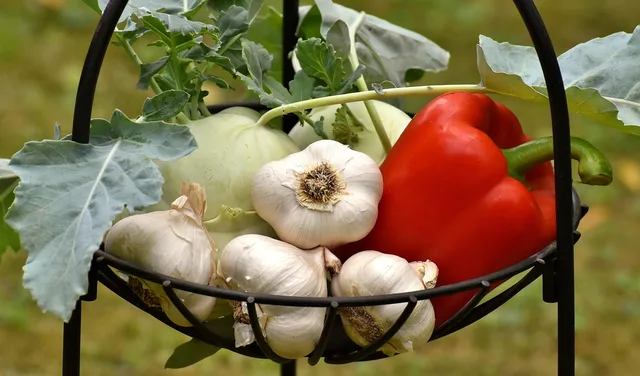
- Select a base of whole grains, such as brown rice or millet, to provide lasting energy. 2. Add a variety of colorful vegetables, ensuring at least two different colors are present in every stir-fry. 3. Incorporate a lean protein source, such as tofu, fish, or poultry, prepared through steaming or light sautéing.
After completing these steps, perform a final check to ensure you have minimized the use of heavy oils or excessive salt. I always check my pantry to ensure I have enough fresh herbs to add flavor without adding sodium.
Yes, many traditional recipes are designed for quick preparation and can be easily adapted for a consistent daily routine.
How do I compare different meal styles?
A person looks at two different lunch boxes laid out on a countertop: one filled with colorful vegetables and grains, and the other with processed meats and white bread. They observe the textures and colors, deciding which one will better support their energy levels throughout the afternoon.
When looking at daily healthy Taiwan food, comparing the components of your simple Taiwan home meals can help you make better choices.
| Meal Component | Whole Food Pattern | Processed Pattern |
|---|---|---|
| Primary Carbohydrate | Brown Rice / Sweet Potato | White Bread / Instant Noodles |
| Protein Source | Steamed Fish / Tofu | Processed Deli Meats |
Using this comparison, you can see how small shifts in ingredient selection change the nutritional profile of your meal.
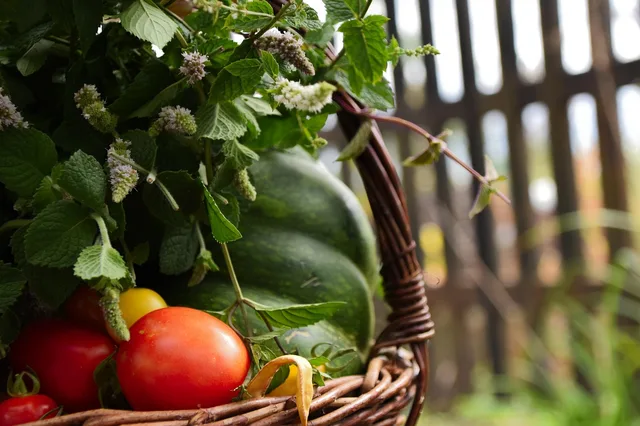
Compare meals by looking at the ratio of fiber-rich vegetables to refined carbohydrates and the variety of cooking methods used.
What are the limits of these dietary suggestions?
A researcher sits at a desk, looking through various data sets and nutritional charts. They note that while patterns are helpful, they do not provide a one-size-fits-all solution for every person's unique biology.
It is important to recognize that these guidelines are based on general dietary patterns.
These methods are best used as a general guide for healthy living rather than a medical prescription.
These suggestions serve as general guidelines and may not account for individual medical conditions or specific caloric requirements.
##
Focusing on overall dietary patterns provides a more comprehensive approach than focusing on single nutrients alone. This method is supported by research where dimension reduction methods were used to identify patterns associated with various health conditions.
By looking at the synergy of ingredients, you can better align your meals with the Taiwanese Eating Approach.
When you compare a whole food pattern to a processed pattern, the difference in nutritional profile becomes clear. A meal based on brown rice and steamed fish offers a different energy profile than one based on white bread and processed meats.
This comparison helps you decide which ingredients will better support your daily goals.
Always exercise caution when applying these general patterns to your personal diet. Because these suggestions do not account for individual medical requirements or specific allergies, you should use them as a guide rather than a medical prescription.
This distinction is important when transitioning from processed snacks to nutrient-dense meals.
Focusing on overall dietary patterns, such as high vegetable intake and moderate sodium consumption, is often more sustainable than targeting single nutrients.
Nutrients (2022) Based on the retained excerpt mentioning Nutrients: Included were 19 studies, the majority of which employed dimension reduction methods to find dietary patterns associated with various health conditions.




Comments 0