Taiwan wildlife watching guide for observing fauna
This guide is for travelers seeking to observe Taiwan rural wildlife habits through patient, quiet observation in remote forested areas. To succeed, you must prioritize silence, use high-quality optics, and respect local boundaries, though your success depends heavily on seasonal migration patterns.
* Prioritize dawn and dusk for peak animal activity. * Maintain a significant distance to avoid stressing local fauna. * Use camouflage and muted colors to blend into the greenery. * Observe the limitation of seasonal availability in high-altitude regions.
How can I start my Taiwan wildlife watching guide?
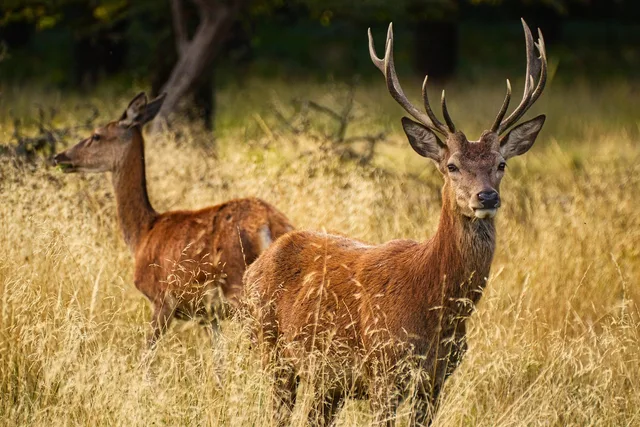
You step onto a damp, moss-covered trail in the early morning mist, feeling the cool air against your skin. To begin your Taiwan wildlife watching guide, you must first identify the specific ecosystem you are entering, whether it is a subtropical rainforest or a high-mountain ridge.
The key to a successful rep is understanding that animals in these rural areas follow strict circadian rhythms. Most sightings occur during the transitional hours of light. I once sat motionless for forty minutes near a forest stream, waiting for the light to hit the water just right.
Successful observation requires minimal movement. You should choose a location that offers natural cover, such as large ferns or fallen logs. By positioning yourself before the sun rises, you increase your chances of seeing active foragers.
How can I start observing nature in Taiwan?
The sun begins to crest over the jagged peaks, casting long shadows across the forest floor where you sit. Utilizing Taiwan nature observation tips means preparing your gear specifically for the humidity and dense foliage found in the countryside.
Effective observation relies on sensory awareness rather than just sight. Listen for the sudden silence of birds or the rustle of undergrowth.
According to historical records of the region, even the coastal areas around Penghu were subject to intense weather, so prepare for sudden shifts in visibility.
You should carry lightweight, waterproof binoculars to manage the moisture. Avoid bright clothing that breaks the natural color palette of the woods. Staying still is your most effective tool for seeing animals in their natural state.
Where can I watch Taiwan's wildlife in action?
You crouch low behind a thicket at dusk, feeling the damp earth as you watch Taiwan wild animal behavior in action.
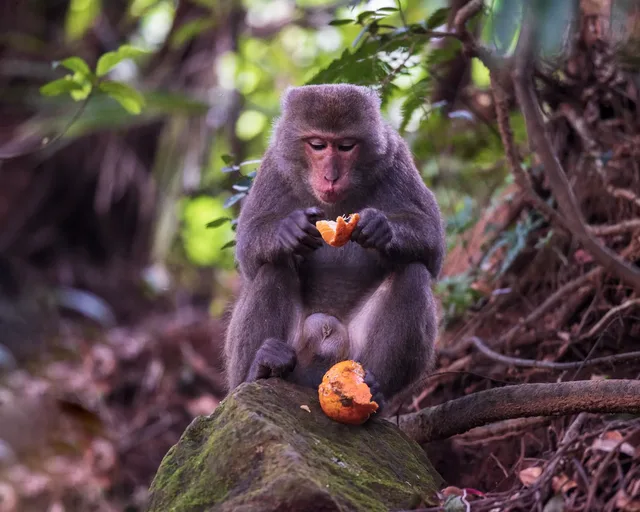
You crouch low behind a thicket, watching a small creature navigate the complex roots of an ancient tree. To witness Taiwan wild animal behavior, you must look for signs of feeding, territorial marking, or social interaction within the habitat.
Animals often exhibit specific patterns based on the time of day and the availability of water. Watching how different species interact with the same resource provides deep insight into the local ecology.
You might see small mammals scurrying through the leaf litter or birds competing for nesting sites.
Focus on the micro-habitats, such as the hollows of trees or the edges of clearings. These spots are high-traffic zones for many species. Observing these behaviors requires patience and a willingness to wait in one spot for extended periods.
How do I master spotting Taiwan wild animals?
A sudden movement in the canopy catches your eye, and you slowly adjust your focus to see the shape of a bird. For those interested in spotting Taiwan wild animals, the technique involves scanning the environment in layers, from the ground up to the highest branches.
Mastering this skill requires training your eyes to recognize movement rather than static shapes. The brain often overlooks an animal because it blends into the background. You must look for the subtle break in a pattern or a slight shift in color.
Use the wind to your advantage by positioning yourself downwind of your target. This prevents your scent from alerting the animals to your presence. Constant scanning and slow, deliberate movements are essential for maintaining your position without being detected.
What is the best Taiwan nature eco guide approach?
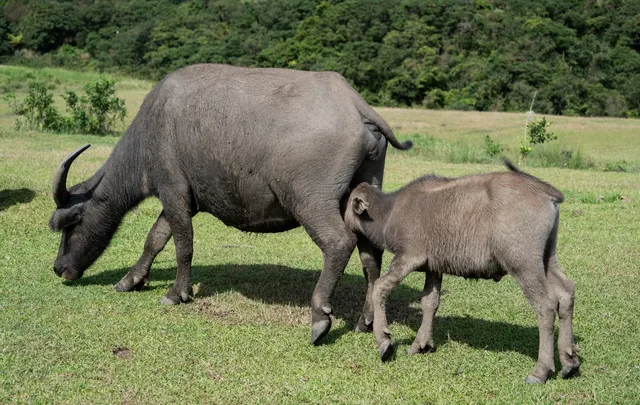
You walk slowly through a clearing, mindful of every step to avoid crushing dried leaves. Following a Taiwan nature eco guide approach means adhering to "Leave No Trace" principles to ensure the environment remains undisturbed for future visitors.
This approach involves more than just avoiding litter; it includes managing your noise levels and staying on marked paths. Protecting the integrity of the habitat is the most important part of eco-observation. If you disturb the environment, you change the very behavior you came to see.
Respect the local flora and fauna by never feeding animals or removing natural objects. This ensures that the wildlife does not become habituated to humans, which can lead to dangerous interactions. A responsible observer leaves the landscape exactly as they found it.
Can I use wildlife watching in Taiwan as a structured activity?
You sit down by a small clearing, checking your notebook to record the time and the species you have observed. Engaging in wildlife watching in Taiwan can be organized into a systematic process to improve your success rate.
- Select a specific habitat type, such as a riparian zone or a mountain slope. 2. Set up a stationary observation post at least thirty minutes before dawn. 3. Document all sightings, including time, weather, and specific animal actions.
After completing these steps, perform a final check of your surroundings to ensure you haven't left any gear behind or disturbed the immediate area. I find that keeping a structured log helps me recognize patterns over multiple visits.
| Observation Method | Primary Benefit |
|---|---|
| Stationary Blinds | Minimizes animal disturbance |
| Mobile Tracking | Covers more diverse terrain |
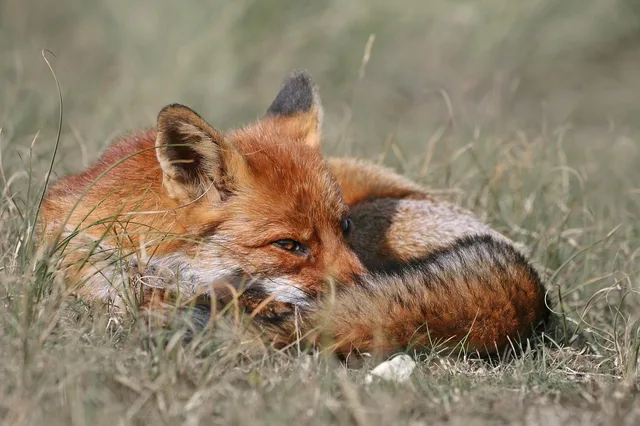
The effectiveness of these methods is limited by the specific weather conditions and seasonal migrations occurring at the time of your visit.
Wikipedia: Taiwan Based on the retained excerpt mentioning Global Views Survey Research Center: A survey conducted in Taiwan by Global Views Survey Research Center in July 2009 showed that 82.8 percent of respondents consider the ROC and the PRC two separate countries with each developing on its own but 80.2 percent think they are members of the Chinese.
- How can I start my Taiwan wildlife watching guide?
- What are the best Taiwan nature observation tips for beginners?
- Where can I see Taiwan wild animal behavior in action?
The subject here is Taiwan wildlife watching guide.
The same subject is also called Taiwan countryside wildlife.
Related




Comments 0